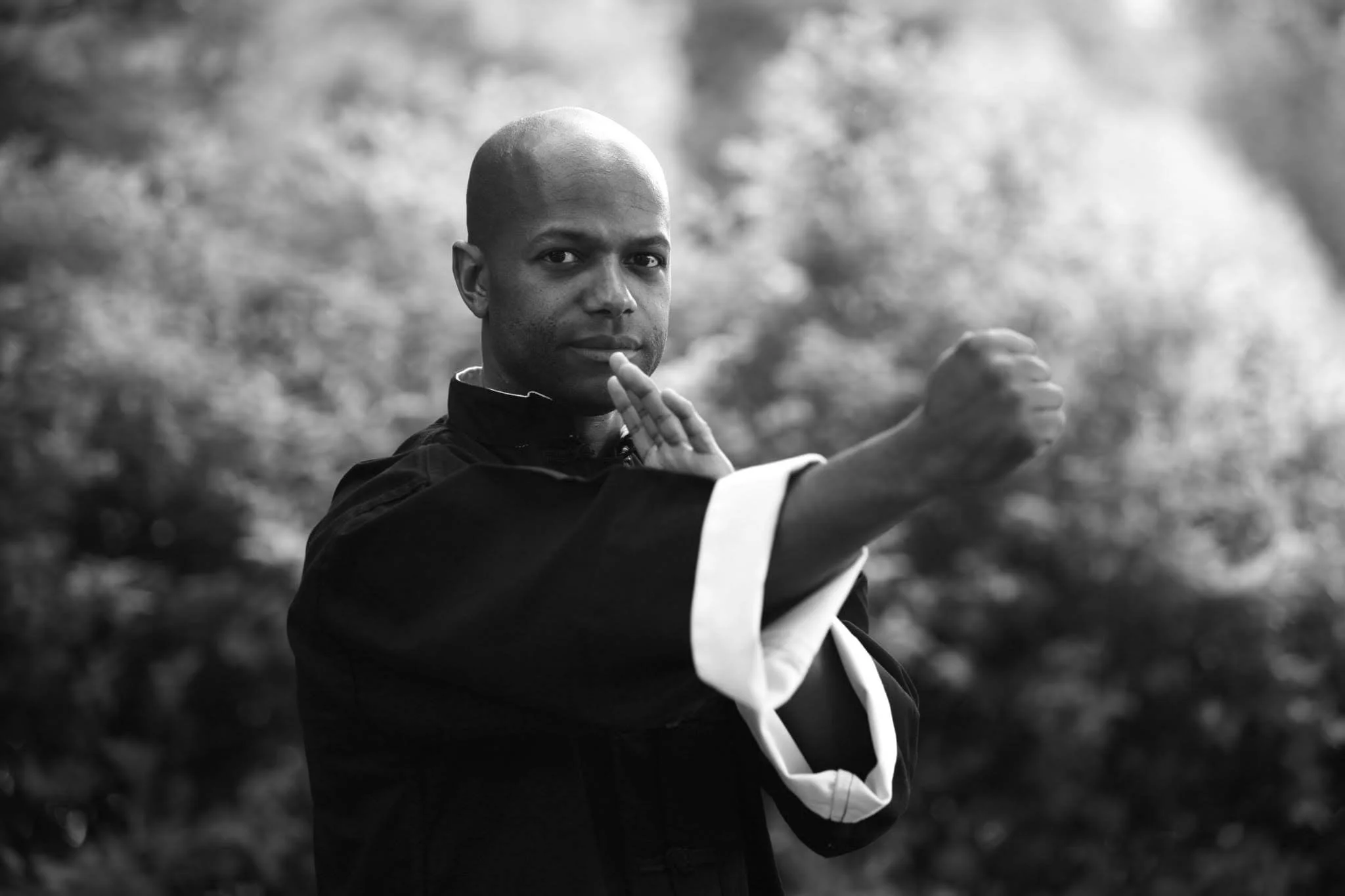
The MD Martial Arts Combat System was developed in 1992 by Sifu Marc Davis.
Unlike traditional styles, this is not a fixed system. Training is adapted to each individual, focusing on simple but extremely effective self defence. Building your self confidence and personal development.
Whether you are a complete beginner or experienced martial artist, you will develop practical skills that work in real-life situations.
Why Choose MD Martial Arts
-
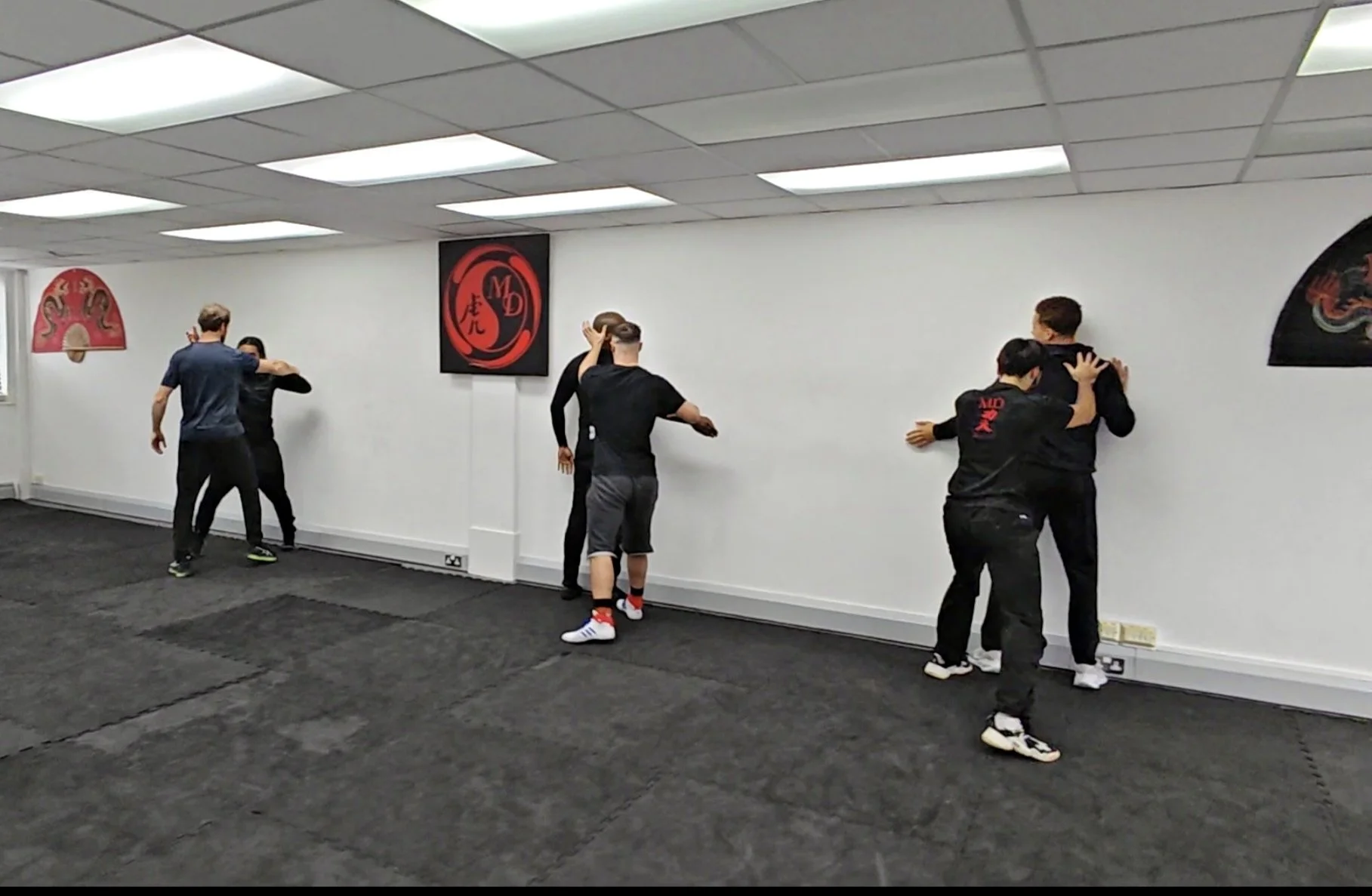
Train at Your Own Pace
No fixed grading dates — progress when you’re ready.
-
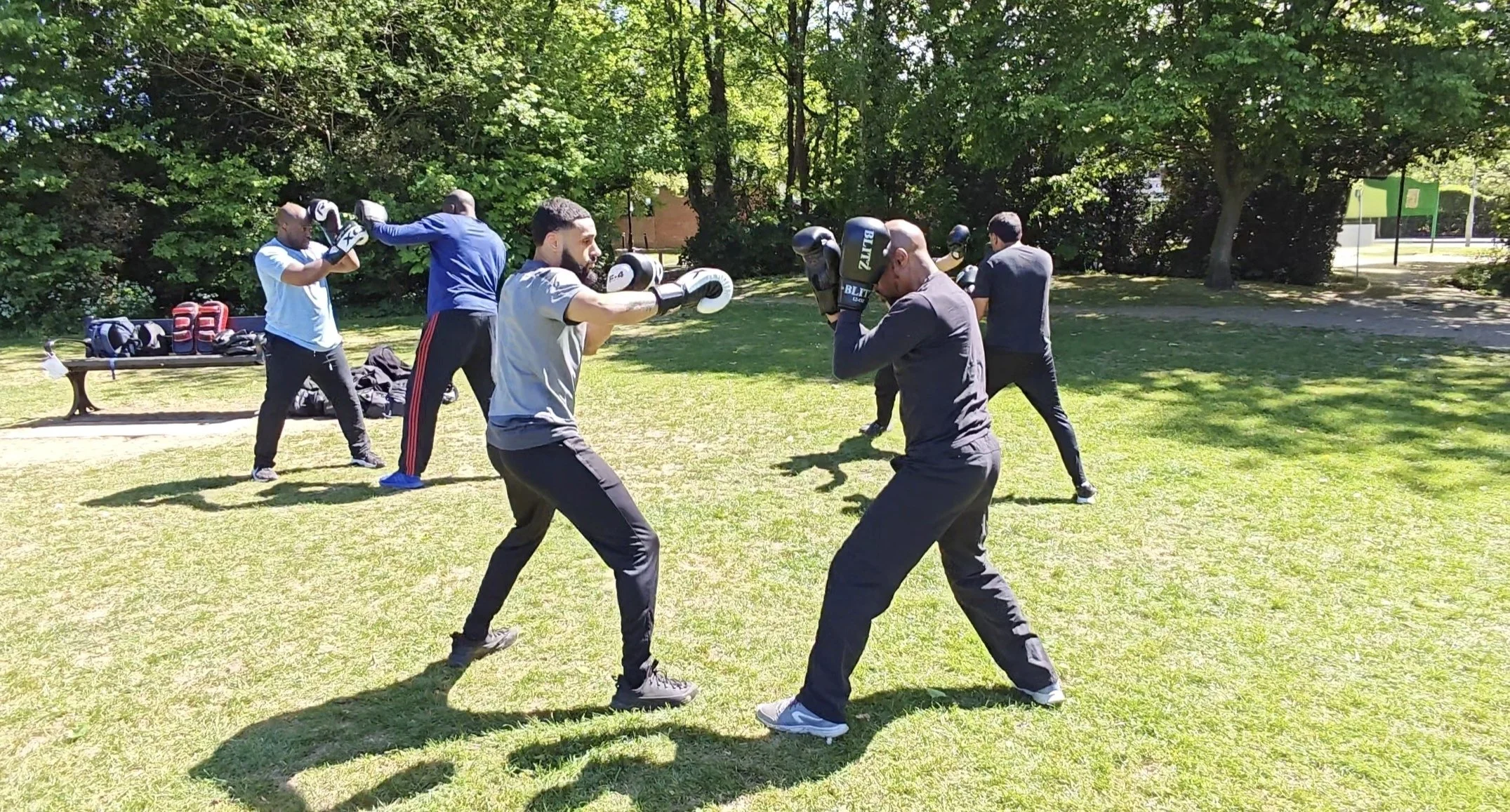
Suitable for All Levels
Beginners to experienced martial artists welcome.
-
Real-World Combat Training
Practical techniques designed for real-life situations.
-
Proven System
Developed since 1992 with over 3000 students trained.
Classes at MD Martial Arts
-
Adult Classes
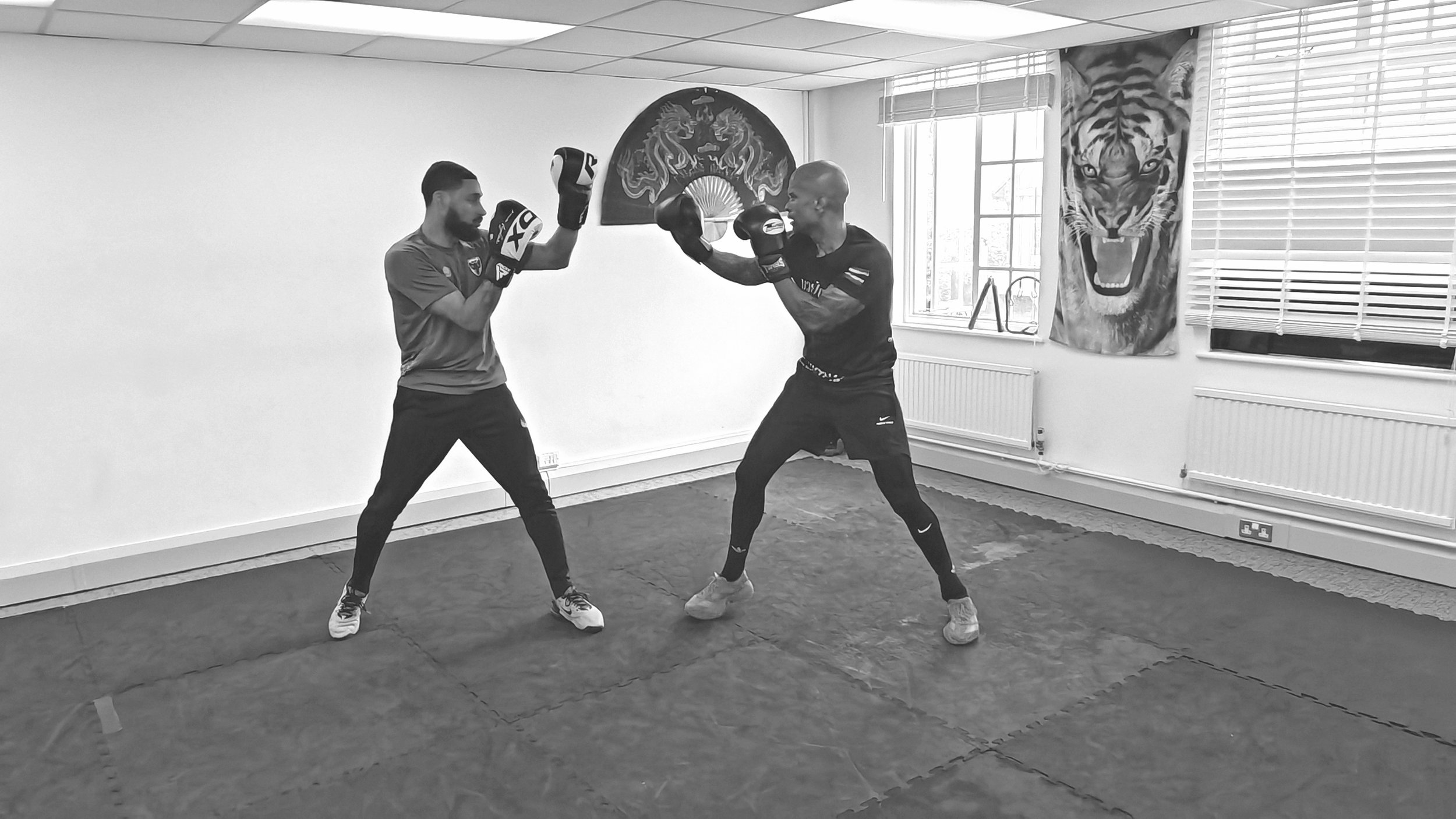
MD Martial Arts training focuses on realistic self defence combat.
You will develop a higher level of Combat skills.
We are now taking new students in all adult classes.
Monday —8:00 pm–10:00 pm (Adults)
Waiting List (register now and secure your place)
Tuesday — Adults 8:00 pm–10:00 pm
Wednesday — Adults 8:00 pm–10:00 pm
-
Children’s Classes
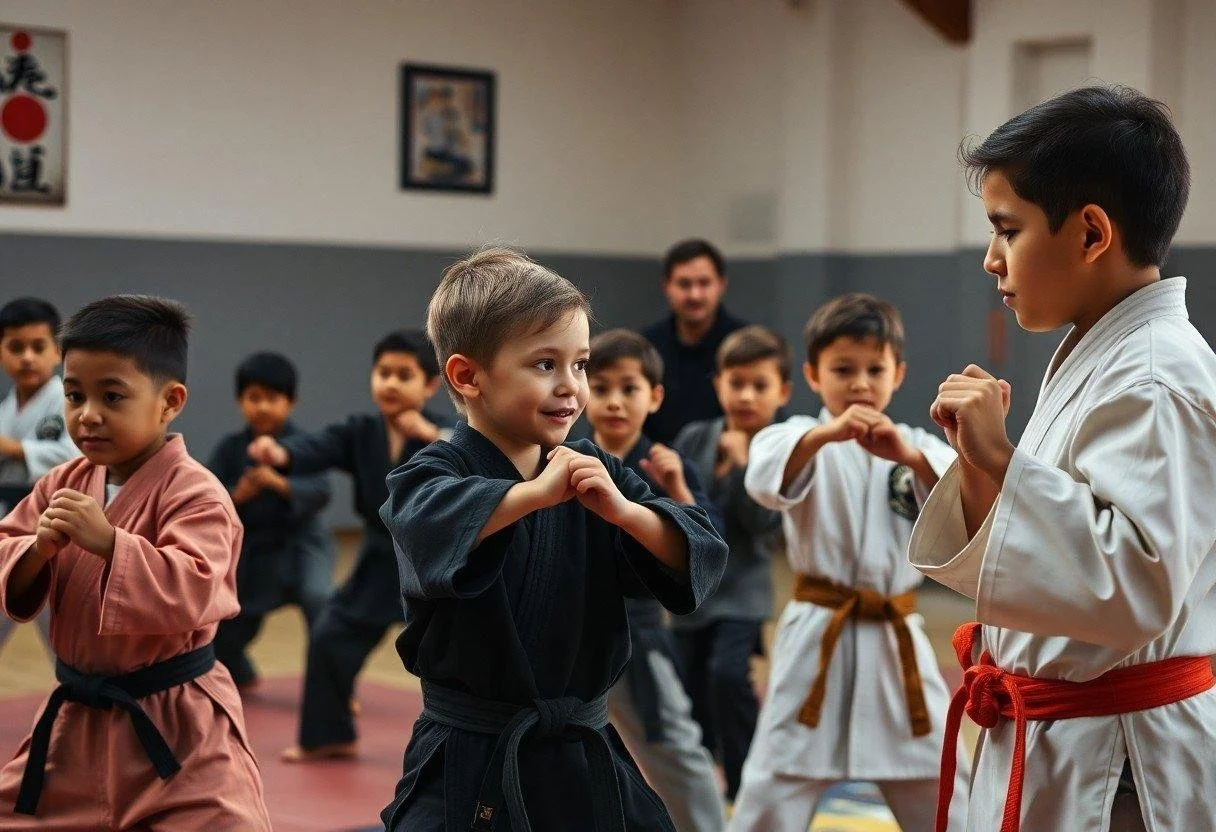
Structured classes that build confidence, discipline, and coordination in a safe environment.
Wednesdays 4:30pm to 5:30pm (age 5 to 10 years old) is fully booked.
Wednesdays 5:30pm to 6:30pm (age 11 to 17 years old)
-

Private Training
One-to-one or small group sessions tailored to your goals and ability.
Private lessons
Weekdays and Weekends
Private lessons now available with Sifu Marc Davis
Wednesdays 9:30 am to 10:30 am
Martial Arts Knowledge & Philosophy
-
The history of MD Martial Arts begins with Sifu Marc Davis. A British martial artist who developed his own combat system after decades of training in multiple disciplines.
Born in England in 1974 and spending part of his childhood in Jamaica, Sifu Marc Davis was introduced to martial arts early through boxing and karate practiced within his family. Inspired by legendary martial artists such as Bruce Lee and Morihei Ueshiba, he began a lifelong study of combat systems.
Over more than 40 years, Sifu Davis studied a wide range of martial arts styles, including:
Shukukai Karate
Wado-Ryu Karate
Wing Chun Kung Fu
Aikido
Boxing
Kickboxing
Pencak Silat
Tai Chi
Chi Gong
Freestyle Kung Fu
He also explored holistic practices such as yoga and internal breathing methods.
Creation of MD Martial Arts
According to the academy’s history, Sifu Marc Davis felt that although he had gained knowledge from many systems, something was still missing. He wanted a martial art that was:
Practical for real combat
Adaptable to different situations
Scientifically based on body mechanics
Balanced between internal and external energy
As a result, he created MD Martial Arts in 1992. The initials “MD” stand for Marc Davis, representing both the founder and his personal martial arts journey.
The system was designed not as a simple mixture of techniques, but as a unified combat method focused on:
Realistic self-defense
Fluid movement
Efficiency under pressure
Psychological awareness in combat
Adaptability between soft and hard techniques
The academy often describes the style as a “scientific approach to combat.”
Philosophy and Symbols
Two major symbols are central to MD Martial Arts:
Yin and Yang
The Yin-Yang symbol represents balance between opposites:
Soft and hard
Internal and external
Defensive and offensive energy
This reflects the system’s philosophy that a martial artist must constantly adapt to changing combat situations and life challenges.
The Tiger symbolizes:
Courage
Fighting spirit
Ferocity
Grace under pressure
Sifu Marc Davis also connects personally to the tiger because he was born in the Chinese Year of the Tiger.
Growth of the Academy
MD Martial Arts Academy operates in South London and has reportedly taught over 3000 students ranging from beginners to experienced martial artists and security professionals.
The academy teaches:
Street combat applications
Striking
Kicking
Wooden dummy training
Knife defense
Sparring
Internal martial arts concepts
Sifu Marc Davis has also produced instructional books and videos covering aspects of the MD system and combat training. -
Martial arts are systems of combat and self-discipline developed across many cultures over thousands of years. They evolved for warfare, personal protection, spiritual practice, sport, and physical training.
Ancient Origins
Some of the earliest recorded martial traditions appeared in ancient civilizations:
In China, organized fighting systems existed by at least the Zhou dynasty (1046–256 BCE). Chinese martial arts later became associated with military training, philosophy, and religion, especially Daoism and Buddhism.In India, ancient combat systems such as kalaripayattu may date back over 2,000 years and combined armed and unarmed techniques.
Ancient Greece practiced combat sports like pankration, introduced into the Olympic Games in 648 BCE.
In Japan, samurai warfare led to the development of swordsmanship, archery, and grappling arts that later evolved into modern martial arts.
East Asian Development
During the Middle Ages and early modern period, martial arts became more formalized.
China
Chinese martial arts—often called kung fu or wushu—developed into many regional styles. Legends connect some traditions to the Shaolin Monastery, where monks combined physical conditioning with spiritual discipline.
Japan
Japanese martial arts evolved from battlefield systems (bujutsu) into arts emphasizing personal development (budō). Examples include:
Judo, founded by Jigoro Kano in 1882
Karate, influenced by Okinawan and Chinese fighting systems
Aikido, created by Morihei Ueshiba
Kendo, derived from samurai swordsmanship
Korea
Korean martial traditions eventually produced arts such as:
Taekwondo, formalized in the 20th century and now an Olympic sport
Hapkido
Southeast Asia and Beyond
Other regions developed distinct traditions:
Thailand developed Muay Thai, known for strikes using fists, elbows, knees, and shins.
Brazil became home to Brazilian Jiu-Jitsu, adapted from Japanese judo and jujutsu by the Gracie family.
Filipino martial arts emphasized weapons training, including stick and blade fighting systems such as Eskrima and Arnis.
Modern Era
In the 19th and 20th centuries, martial arts spread globally through migration, military contact, film, and sport. Figures like Bruce Lee helped popularize martial arts internationally through cinema and philosophy.
Today, martial arts serve many purposes:
self-defense
military and police train
competition and Olympic sports
fitness and mental discipline
cultural preservation
Modern mixed martial arts (MMA) combines techniques from many traditions and became internationally popular through organizations like Ultimate Fighting Championship.
-
Wing Chun is a traditional Chinese martial art known for its efficiency, speed, and close-range combat techniques.
Wing Chun focuses on:
Balance and structure
Fast reactions
Controlled movements
Practical self-defence
The system teaches students to remain calm, focused, and efficient under pressure while developing coordination and body awareness.
-
Meditation is a broad family of practices for training attention, awareness, and mental states. Its history stretches back thousands of years across multiple cultures rather than beginning in a single place or tradition.
Early Origins
The earliest evidence of meditative practices comes from ancient India. References to contemplative disciplines appear in the Hindu Vedas (c. 1500–500 BCE), especially in later texts called the Upanishads, which explored inner awareness, breath, and the nature of consciousness.
Around the 5th century BCE, meditation became central to both Buddhism and Jainism. Siddhartha Gautama taught practices of mindfulness, concentration, and insight intended to reduce suffering and cultivate liberation. Many techniques still widely practiced today — such as mindful breathing and observation of thoughts — trace back to these traditions.
Spread Across Asia
As Buddhism spread from India into China, Korea, Japan, and Southeast Asia, meditation evolved into many forms:
Zen meditation in Japan emphasized seated awareness and direct experience.
Tibetan Buddhist traditions developed visualization and compassion practices.
Daoist traditions in China cultivated breathing, energy, and longevity exercises.Meditative practices also appeared outside Asia:
Christian monastics practiced contemplative prayer and silence.
Islamic Sufis used repetitive prayer and remembrance (dhikr).
Jewish mystical traditions included forms of focused contemplation.
Modern Era
In the 19th and 20th centuries, Asian teachers introduced meditation to Europe and North America. Interest grew through figures such as Swami Vivekananda and later Buddhist teachers from Thailand, Japan, and Tibet.
By the late 20th century, meditation increasingly became secularized and studied scientifically. Practices like mindfulness meditation were adapted for healthcare and psychology, especially through programs such as Jon Kabat-Zinn’s Mindfulness-Based Stress Reduction (MBSR).
Meditation Today
Today meditation is practiced worldwide for spiritual development, mental health, stress reduction, emotional regulation, and concentration. Scientific research has explored its effects on attention, anxiety, depression, pain, and brain function, though results vary by method and individual.
Modern meditation includes:
Religious and spiritual tradition
Secular mindfulness programsClinical and therapeutic uses
Apps and digital wellness tools
Despite its many forms, the core idea has remained remarkably consistent across history: training the mind through disciplined attention and awareness.
-
(also written as Chi Gong) is an ancient Chinese practice combining movement, breathing, and meditation.
Developed thousands of years ago, Qigong was traditionally used to improve health, increase energy, and support mental wellbeing.
Many martial arts systems include elements of Qigong training to help improve balance, flexibility, breathing control, and internal focus.
-
Martial arts can provide a mix of physical, mental, and social benefits that few other activities combine in one practice. Different styles emphasize different things, but most systems share several core advantages.
Physical Benefits
Strength and Fitness
Training improves:
Cardiovascular endurance
Muscular strength
Coordination
Flexibility
Balance and agility
Arts like Muay Thai and Brazilian Jiu-Jitsu are especially demanding conditioning-wise, while arts like Tai Chi focus more on mobility, balance, and controlled movement.
Weight Management
Regular classes often combine:
High-intensity drills
Repetition
Sparring
Bodyweight exercises
That can burn significant calories while building lean muscle.
Better Reflexes and Coordination
Martial arts train reaction speed, timing, spatial awareness, and body control. These improvements can help in daily life, sports, and injury prevention.
Mental and Emotional Benefits
Discipline and Consistency
Progress usually comes slowly through repetition and structured practice. This develops:
Patience
Self-discipline
Goal-setting habits
Persistence
Belt systems in arts like Karate or Taekwondo give clear long-term milestones.
Stress Reduction
Training can act as a mental reset:
Physical exertion lowers stress
Focused drills reduce mental clutter
Controlled breathing improves calmness
Many people describe martial arts as “active meditation.”
Confidence
Learning practical skills and overcoming difficult training challenges can increase:
Self-confidence
Assertiveness
Comfort under pressure
This often comes from competence rather than aggression.
Self-Defense Skills
Many martial arts teach:
Situational awareness
De-escalation
Defensive techniques
Escape strategies
Styles such as Judo, Krav Maga, and Boxing are commonly associated with practical self-defense applications.
Good schools usually emphasize avoiding conflict whenever possible.
Social Benefits
Community and Friendships
Training often creates strong social bonds because:
People improve together
Sparring requires trust
Classes encourage teamwork and mutual respect
Many practitioners stay involved for years partly because of the community.
Respect and Humility
Most traditional martial arts include etiquette and values such as:
Respect for instructors and training partners
Emotional control
Humility
Responsibility
Benefits for Different Ages
Children
Martial arts can help kids develop:
Focus
Confidence
Listening skills
Coordination
Emotional regulation
Adults
Adults often benefit from:
Stress relief
Fitness
Structured challenge
Social connection
Older Adults
Gentler systems like Tai Chi are linked to:
Better balance
Fall prevention
Joint mobility
Mental well-being
Possible Downsides
Like any physical activity, there are tradeoffs:
Risk of injury
Time commitment
Costs for gyms/equipment
Some gyms may have unhealthy cultures
The quality of the instructor and training environment matters a lot.
Choosing the Right Style
Different goals usually fit different arts:
Goal Often Recommended
Fitness Muay Thai, Boxing
Self-defense Krav Maga, Boxing, Judo
Ground grappling Brazilian Jiu-Jitsu
Discipline/tradition Karate, Taekwondo
Balance and longevity Tai Chi
Throws and clinch work Judo
The “best” martial art is often the one you enjoy enough to practice consistently.
Contact MD Martial Arts
📞 Contact Sifu
Email (preferred):
sifumarcdavis@gmail.com
Phone:
Hours:
9am – 5pm (Sunday, Monday, Wednesday)
Please leave a message
📍 Location
MD Martial Arts Academy
19 Ewell Road
Cheam
SM3 8DD
Important:
Entrance is at the rear of the building via the car park
No parking available
Our Classes
We offer structured martial arts training for adults, juniors, and 1-to-1 coaching — all designed to build confidence, fitness, and discipline.